Kitchens and bathrooms are two of the busiest areas in any Elmhurst home. That is why germs and bacteria accumulate quickly in these rooms. Kitchens are exposed to constant contact as people prepare food, handle raw ingredients, or wash their hands. Bathrooms also face challenges with moisture, soap scum, and high humidity, which create ideal conditions for microbial growth. That’s why homeowners in Elmhurst are turning to antimicrobial materials to keep these spaces healthier and easier to maintain.
Antimicrobial materials stop the growth of bacteria, mold, and fungi on surfaces. These materials contain special agents that make it harder for germs to survive. Unlike regular surfaces that only remain clean until the next use, antimicrobial ones continue to work around the clock. This leads to fewer germs on counters, sinks, and tiles.
Everyday Benefits in Kitchens
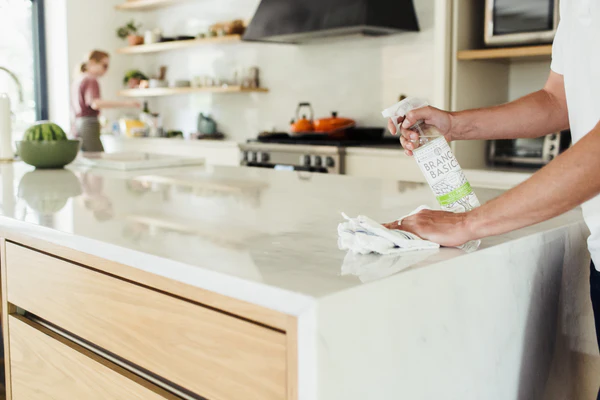
Countertops with antimicrobial protection can help prevent the spread of germs when people cut vegetables or place groceries on the surface. Also, bacteria cannot cling to damp areas if kitchen sinks have antimicrobial coatings. Even cabinet handles and appliance touchpoints can be upgraded with antimicrobial finishes to cut down on cross-contamination. Below are the benefits of antimicrobial coatings:
- Improving bathroom hygiene. Bathrooms are naturally damp, making them ideal environments for mold and bacteria. Mold cannot grow on antimicrobial tiles, shower walls, and flooring. Also, microbes cannot multiply on high-tough surfaces such as toilets, sinks, and faucets made with antimicrobial materials. A sink faucet touched dozens of times a day can become a breeding ground for bacteria, but antimicrobial coatings help reduce that risk.
- Offering a cleaner look. Kitchen countertops and sinks may show signs of wear from stains or lingering residue. Antimicrobial finishes help fight against discoloration caused by mold and bacteria. In bathrooms, antimicrobial grout and tiles resist the buildup of black spots or greenish stains often linked to moisture problems. This improves hygiene and makes kitchens and bathrooms look fresher for a long time. Antimicrobial surfaces eliminate the need for less heavy scrubbing to maintain their shine.
- Supporting a health-conscious lifestyle. Antimicrobial surfaces reduce germs in the home, supporting overall health goals and reducing exposure to harmful bacteria. Having an added layer of antimicrobial protection brings peace of mind for households that host guests or have young children crawling and touching surfaces. People with allergies or respiratory issues also benefit, since antimicrobial surfaces help reduce mold growth that can trigger symptoms.
- Reducing maintenance time. Kitchens and bathrooms still need to be wiped down and disinfected, but antimicrobial materials help reduce how often deep scrubbing is necessary. Grout lines with antimicrobial additives stay brighter and sinks resist odor-causing bacteria. Also, countertops stay fresh between cleanings.
Popular Antimicrobial Options for Homes
Several materials are now available with antimicrobial features, giving Elmhurst homeowners a range of choices. For instance, quartz countertops may come with built-in antimicrobial protection. Certain types of tiles and vinyl flooring can resist bacterial growth. Fixtures such as faucets, handles, and showerheads may also come with antimicrobial coatings.
When upgrading a kitchen or bathroom, it’s worth asking suppliers about antimicrobial options. Choosing these surfaces during a remodel can provide long-lasting benefits without sacrificing style.
More Elmhurst homeowners are considering long-term health when designing or renovating their kitchens and bathrooms. Antimicrobial surfaces fit perfectly into this trend, blending style with function. These materials are moving from luxury upgrades to practical investments as more products become available.