Technology has always promised convenience, but artificial intelligence is taking that promise one step further. Instead of simply reacting to problems, AI is helping vehicles foresee them. It can sense trouble, such as tiny irregularities in engine behavior and minor changes in tire pressure. This changes how drivers think about maintenance, safety, and reliability in Chicago.
How AI Monitors Vehicle Health
Modern cars generate a lot of data every second. Sensors capture fluid levels to brake wear. Traditionally, much of this data stayed hidden, only useful when a mechanic plugged into the vehicle’s computer system.
AI analyzes patterns across countless data points, highlighting early warning signs invisible to the average driver. It can flag a faint vibration, a fraction-of-a-second delay in acceleration, or an unusual temperature spike in the engine as potential issues before they become urgent repairs.
Predictive Maintenance in Action
Drivers in Chicago relied on mileage milestones, warning lights, or the occasional unsettling noise when dealing with maintenance. It was a reactive process, often leading to costly fixes after a failure occurred. AI-powered systems evaluate historical data, weather conditions, and driving habits to predict when components may wear out. A driver might receive a gentle alert that the battery’s performance curve suggests it will fail in three weeks.
Saving Time and Reducing Costs
A car might stall in rush-hour traffic or leave someone stranded on the way to an important meeting. Repairs after a failure can be more expensive than preventive care. AI’s ability to forecast problems saves drivers money and stress. Replacing a part before it fails prevents collateral damage to other systems. Scheduling service ahead of time leads to less downtime and fewer emergency visits to repair shops.

Building Trust in Autonomous Systems
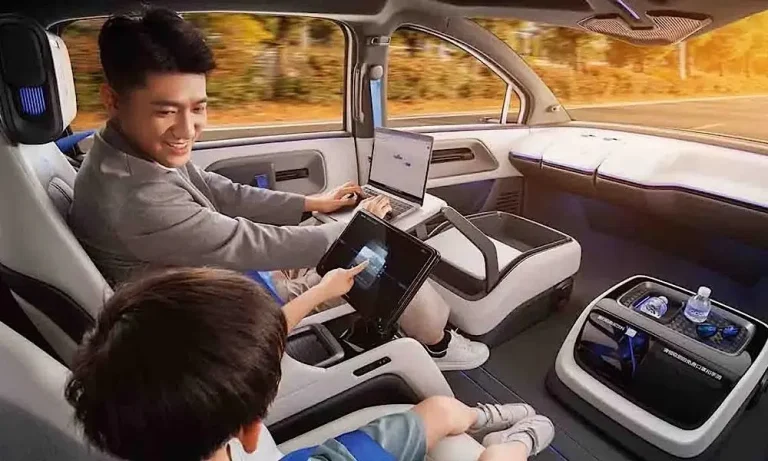
Self-driving cars in Chicago must maintain impeccable reliability to be trusted. A glitch in a rideshare fleet vehicle could jeopardize passengers and erode public confidence in automation. Embedding predictive maintenance into the backbone of autonomous systems allows manufacturers to create vehicles that monitor themselves continuously. They can flag issues before passengers notice something is wrong. This ensures smoother rides and reinforces trust in the technology.
Vehicles that operate at peak efficiency consume less energy and produce fewer emissions. A well-maintained battery in an electric car lasts longer, reducing the need for costly replacements and cutting down on waste. Even minor improvements can lead to measurable environmental benefits. By extending the lifespan of components and minimizing unnecessary repairs, AI helps drivers reduce their carbon footprint and their expenses.
Peace of Mind for Everyday Drivers
Many Chicago drivers feel anxious when warning lights appear or when their car makes an unusual sound. Predictive systems ease this worry by offering clarity and reassurance. Instead of guessing what’s wrong, drivers gain insight into their vehicle’s condition. This creates confidence every time they hit the road.
The Human Touch is Still Essential
Algorithms can highlight anomalies, but skilled mechanics interpret and act on this information. AI becomes a partner in the process. This partnership feels empowering for drivers. They arrive with clear insights into what might be wrong instead of walking into a repair shop with uncertainty. This transparency builds confidence and reduces the feeling of being at the mercy of a mechanic’s word.